Introduction
In the digital age, where every click counts, increasing your website conversion rates is more important than ever. A well-designed website not only attracts visitors but also effectively guides them toward a desired action, whether it's making a purchase, signing up for a newsletter, or filling out a contact form. This article explores how smart design choices can significantly impact your conversion rates and overall success in the digital landscape.
Increasing Your Website Conversion Rates with Smart Design Choices
Understanding Conversion Rate Optimization (CRO)
Conversion Rate Optimization (CRO) refers to the systematic process of increasing the percentage of website visitors who take a specific action. With effective CRO strategies, businesses can enhance user experience and maximize their return on investment (ROI).
What is a Conversion?
A conversion occurs when a visitor takes an intended action on your site. This could range from completing a purchase to downloading an ebook. The key is to define what constitutes a conversion for your business clearly.
Why is CRO Important?
The importance of CRO cannot be overstated in any digital marketing strategy. Here are some reasons why:
- Cost Efficiency: Acquiring new traffic can be expensive; optimizing conversions makes better use of existing traffic. Improved User Experience: Enhancing the design and flow of your website improves user experience, which leads to higher satisfaction and loyalty. Increased Revenue: More conversions directly correlate to increased revenue without necessarily increasing traffic.
Understanding Your Audience's Needs
To make smart design choices that increase website conversions, understanding your audience's needs is essential. Knowing what drives your potential customers can guide your web design decisions.
Conducting User Research
User research can uncover insights into what motivates your audience. Here are some methods:

Creating Personas
Creating detailed customer personas helps in tailoring your web design to meet specific audience segments’ needs effectively.
Effective Web Design Principles
When it comes to web design, several principles stand out as crucial for enhancing conversion rates.
Visual Hierarchy
Visual hierarchy refers to the arrangement of elements in a way that signifies importance. Establishing clear visual hierarchy ensures that visitors understand what actions they should take first.
- Use larger fonts for headlines. Utilize contrasting colors for calls-to-action (CTAs). Implement whitespace to prevent clutter.
Responsive Design
With an increasing number of users accessing websites via mobile devices, responsive web design is non-negotiable.
- Ensure all elements resize appropriately. Optimize images for different screen sizes. Test usability across various devices.
Strategic Use of Color and Typography
Color and typography play significant roles in how users perceive and interact with your site.

The Psychology of Color
Colors evoke emotions and can influence decisions:
- Blue: Trustworthiness Red: Urgency Green: Growth
By strategically using these colors in CTAs or branding elements, you can subtly sway user behavior towards conversions.
Choosing the Right Fonts
Typography affects readability and user engagement. Consider these tips:
Limit font styles to 2 or 3 per page. Use sans-serif fonts for online readability. Ensure sufficient contrast between text and background colors.Crafting Compelling Calls-to-Action (CTAs)
CTAs are pivotal to guiding users toward conversion points on your site.
Best Practices for CTAs
Be Clear and Concise: Use action-oriented language such as "Get Started," "Buy Now," or "Download." Position Strategically: Place CTAs above the fold where they are easily visible. Use Contrasting Colors: Ensure CTAs stand out against the rest of the page elements.Optimizing Landing Pages for Conversions
Landing pages serve as critical touchpoints in driving conversions, especially within digital marketing campaigns.
Elements of High-Converting Landing Pages
Headline Clarity: Make sure the headline clearly conveys what the offer is about. Benefit-Oriented Copy: Focus on how the offer benefits users rather than just listing features. Social Proof: Include testimonials or case studies that validate your claims.Utilizing SEO Strategies for Increased Visibility
Search Engine Optimization (SEO) plays an integral role in driving traffic that converts.
On-page SEO Techniques
Implementing effective on-page SEO strategies enhances visibility while ensuring alignment with user intent:
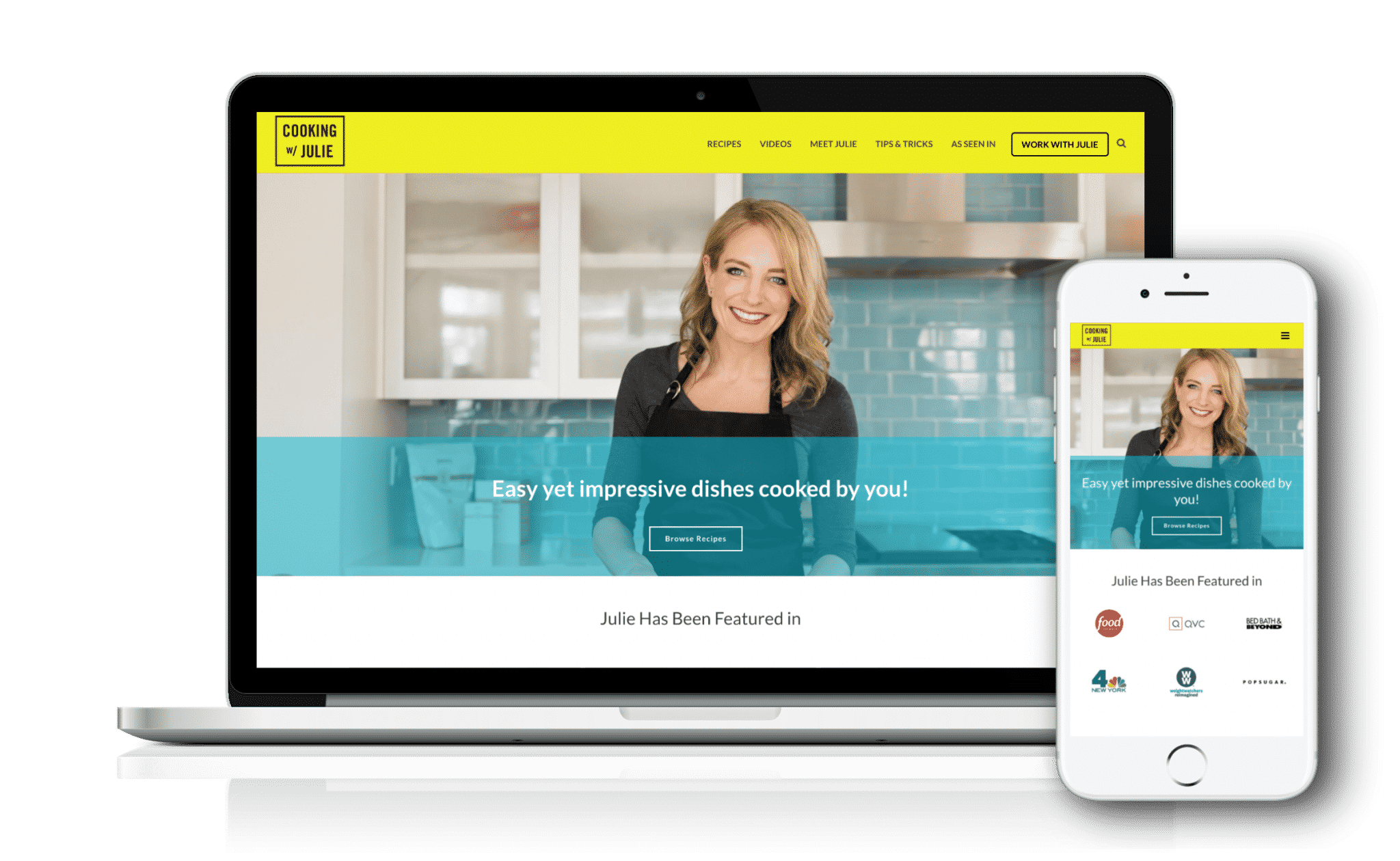
Local SEO & Google Maps SEO
For businesses targeting local markets, Local SEO is vital in attracting foot traffic and online inquiries through Google Maps SEO strategies:
Claim Your Google My Business Listing
- Complete all information accurately including operating hours & services offered.
Gather Reviews
- Encourage satisfied customers to leave positive feedback which boosts credibility in local searches.
Optimize NAP Consistency
- Ensure Name, Address & Phone Number are consistent across all platforms including social media & directories.
Leveraging Wordpress Web Design
WordPress has become increasingly popular due its flexibility combined with user-friendly interfaces making it ideal for those looking to optimize their sites quickly:
Choose Conversion-Focused Themes- Select themes designed specifically with conversion optimization features built-in such as optimized landing pages or CTA placements.
2 . Utilize Plugins
- Leverage plugins like Yoast SEO or Elementor which assist not just with SEO but enhancing overall site functionality aiding in keeping visitors engaged longer leading them further down sales funnels.
Importance of A/B Testing
A/B testing allows you test different variations against each other providing actionable insights into what designs work best at converting users post-launch phase:
1 . Identify Key Metrics
- Determine which aspects matter most e.g., CTA clicks vs page views before starting tests!
2 . Create Variations
- Change single variables such as color schemes or text wording so results remain focused solely on those changes made during experimentation phase!
3 . Analyze Results
- Look closely at data collected analyze patterns emerging from interactions allowing informed decisions regarding future updates based upon evidence gathered through trials conducted previously!
Frequently Asked Questions (FAQs)
What are some quick wins for increasing website conversions?
To boost conversions quickly:
- Optimize CTAs by making them clear and visually appealing Simplify forms by reducing required fields Implement exit-intent popups offering discounts or incentives
How often should I redesign my website?
Typically every 2–3 years; however always consider redesigns when faced with major shifts like rebranding efforts new product lines needing unique presentation styles etc
Why does my bounce rate affect conversions?
High bounce rates indicate visitors leave immediately without engaging meaning they likely didn’t find what they expected impacting overall effectiveness since low engagement = fewer opportunities convert prospects into loyal customers.
Can I use animated elements without hurting my conversion rate?
Absolutely! Animated elements draw attention but ensure they’re purposeful don’t distract from primary goals instead enhance storytelling experience leading customers through journey effectively guiding towards desired outcomes!
What’s more important – traffic generation or conversion rate optimization?
Both are crucial; generating traffic brings potential customers while optimizing their experiences ensures maximum interactions translate into meaningful actions taken ultimately resulting in sales growth!
Is there a difference between UX design and UI design?
Yes! While both aim improve overall experiences UX focuses broader scope encompassing entire journey whereas UI involves specific visual aspects ensuring aesthetic appeal functionality align perfectly together creating seamless interaction pathways modeled after user behaviors observed during research phases!
Conclusion
Increasing Your Website Conversion Rates with Smart Design Choices requires thoughtful consideration around multiple factors including understanding target demographics harnessing power behind effective layouts leveraging tools available today maximizing visibility through strategic use search engine optimization techniques implementing best practices ensuring seamless navigation pathways lead prospective clients toward taking desired actions ultimately translating clicks into loyal customers! By prioritizing these areas combined creating compelling narrative woven throughout SEO company Massachusetts entire online presence you’ll not only engage audiences but cultivate relationships built trust fostering long-term growth success no matter industry niche represented!
This formatted article provides comprehensive coverage on how smart design choices can substantially increase website conversion rates while incorporating relevant keywords naturally within context ensuring value delivered resonates deeply readers seeking actionable insights improving their digital marketing strategies today!